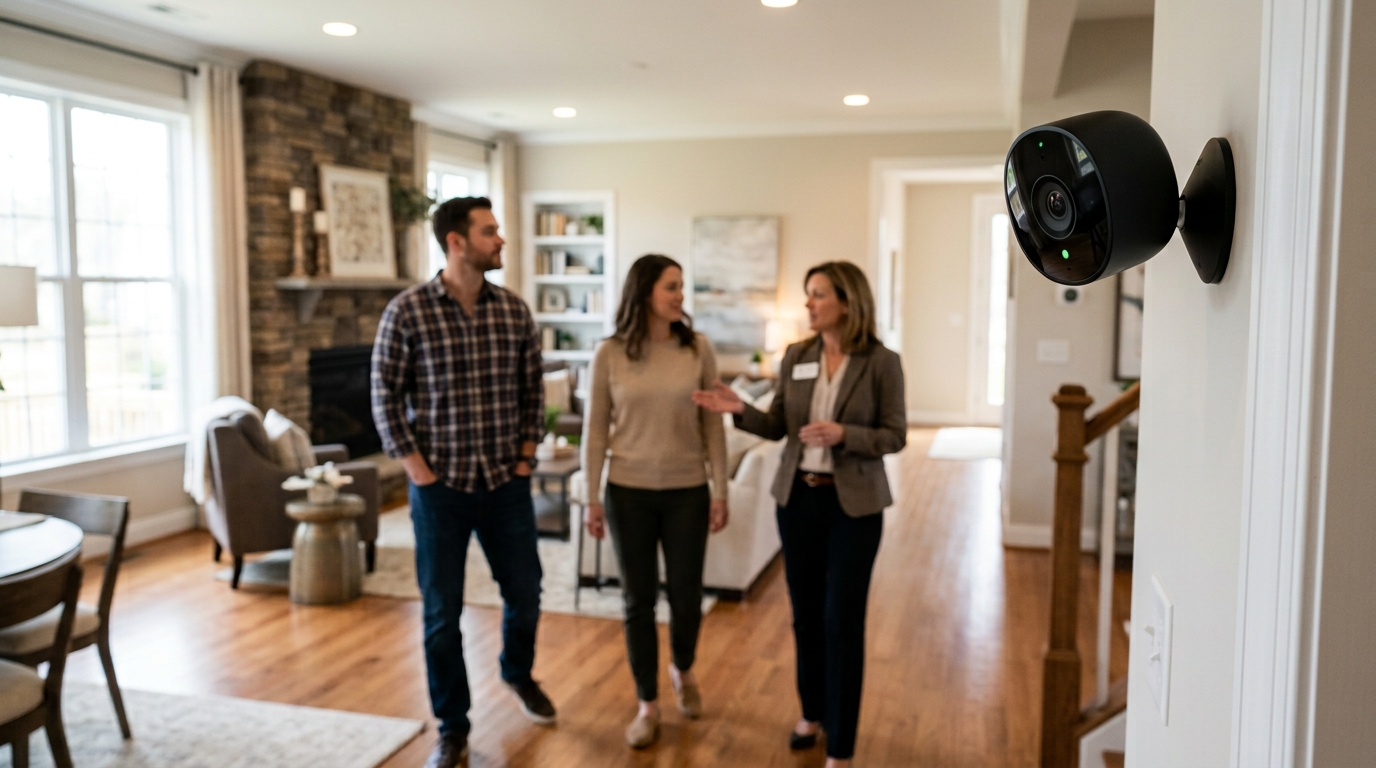
Security Cameras During Showings: What's Actually Legal in Maryland
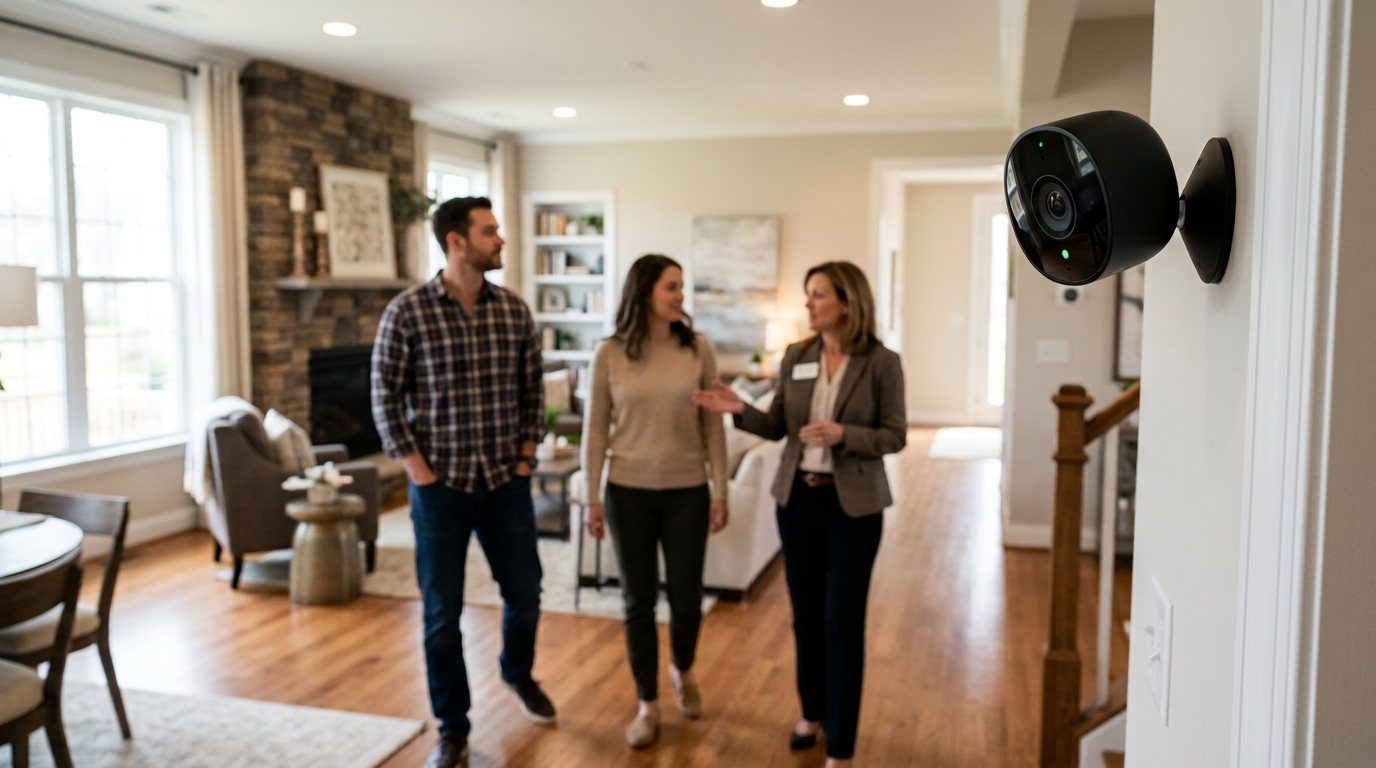
This one's become a real point of tension lately, and it's not hard to see why. Ring doorbells, indoor cameras, and smart home systems are everywhere now, and many sellers leave them running during showings without thinking twice. Buyers are noticing, and they're not always comfortable with what they're finding. Here's what Maryland law actually says, and how both sides should handle it.
Maryland's Recording Law Is Stricter Than Most States
Maryland is one of only twelve states with an all-party consent law for audio recording. Under Maryland Courts and Judicial Proceedings § 10-402, everyone in a conversation has to know it's being recorded and knowingly continue participating, or the recording is illegal. This applies just as much inside a private home during a showing as it does anywhere else.
Video is treated differently. In Maryland, you don't need consent to record video on your own property, including inside your home, as long as it's not pointed at a space where someone has a reasonable expectation of privacy, like a bathroom. Video without audio is generally legal. Audio is where sellers get into real trouble.
Why a Posted Sign Isn't Enough
Some sellers assume a sign on the door, "this property is under audio and video surveillance," covers them legally. It doesn't reliably. Whether a posted sign counts as adequate notice under Maryland's consent law is a genuine gray area, and it remains unsettled. Relying on a sign during a showing, where a buyer hasn't explicitly acknowledged it, is a real risk for a seller, not a solved problem.
What This Means for Sellers
If you're planning to show your home and you've got Ring doorbells, Alexa devices, Nest cams, or any other smart home tech with a microphone, the safest move is simple: disable audio recording during showings. Video alone is legal without notice. Audio without clear, acknowledged consent isn't, and "I didn't think about it" isn't a defense.
There's also a bigger reason to turn it off that has nothing to do with the law. Buyers want to speak honestly with their agent while touring your home, about price, about what they love, about what gives them pause. If they suspect they're being recorded, they'll hold back, and a buyer who can't think out loud is a buyer who takes longer to make a decision, or walks away entirely.
What This Means for Buyers
Even with the law on your side, the smartest approach is to assume a camera or microphone could be present in any home you're touring, especially anywhere near the kitchen, living room, or entryway, where smart devices are usually installed. Save the real conversation, price strategy, what you'd offer, any concerns, for the car or somewhere clearly private. It's not about trusting or distrusting a particular seller. It's just good practice in a world where recording tech is everywhere.
The Law Is Actually Changing
Maryland lawmakers have been actively reviewing this exact issue, specifically the mismatch between requiring consent for audio but not video, given how common Ring cameras and smart home devices have become. Changes were under real discussion heading into the 2026 legislative session. This is a law in motion, not a settled one, so what's true today may shift. Both buyers and sellers should stay aware that the rules could change before too long.
The Bottom Line
Video surveillance during a showing is generally legal in Maryland without notice. Audio recording without clear consent from everyone present is not, and a sign on the door isn't a guaranteed fix. Sellers should turn audio off before every showing. Buyers should assume they might be recorded anyway, and save sensitive conversations for somewhere private. It's a small habit that protects everyone involved.
If you have questions about how this applies to your own listing or your home search, I'm happy to walk through it with you.
________________________________
Bonnie Fleishman has specialized in waterfront and move-up real estate across Anne Arundel County for 36 years, serving Pasadena, Glen Burnie, Severna Park, Arnold, Crofton, Gambrills, and Annapolis.
**This post is general information, not legal advice. Maryland's recording laws are currently under legislative review. For guidance specific to your situation, consult a Maryland attorney.