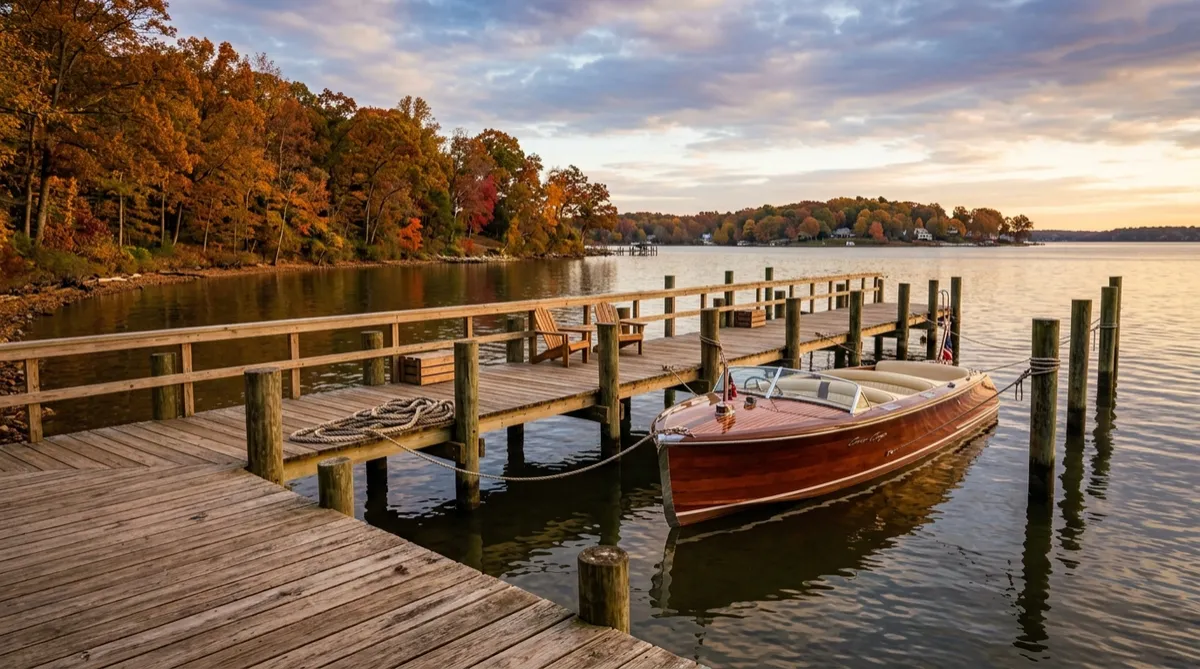
Maintaining Your Pier or Dock for Fall and Winter in Anne Arundel County, Maryland
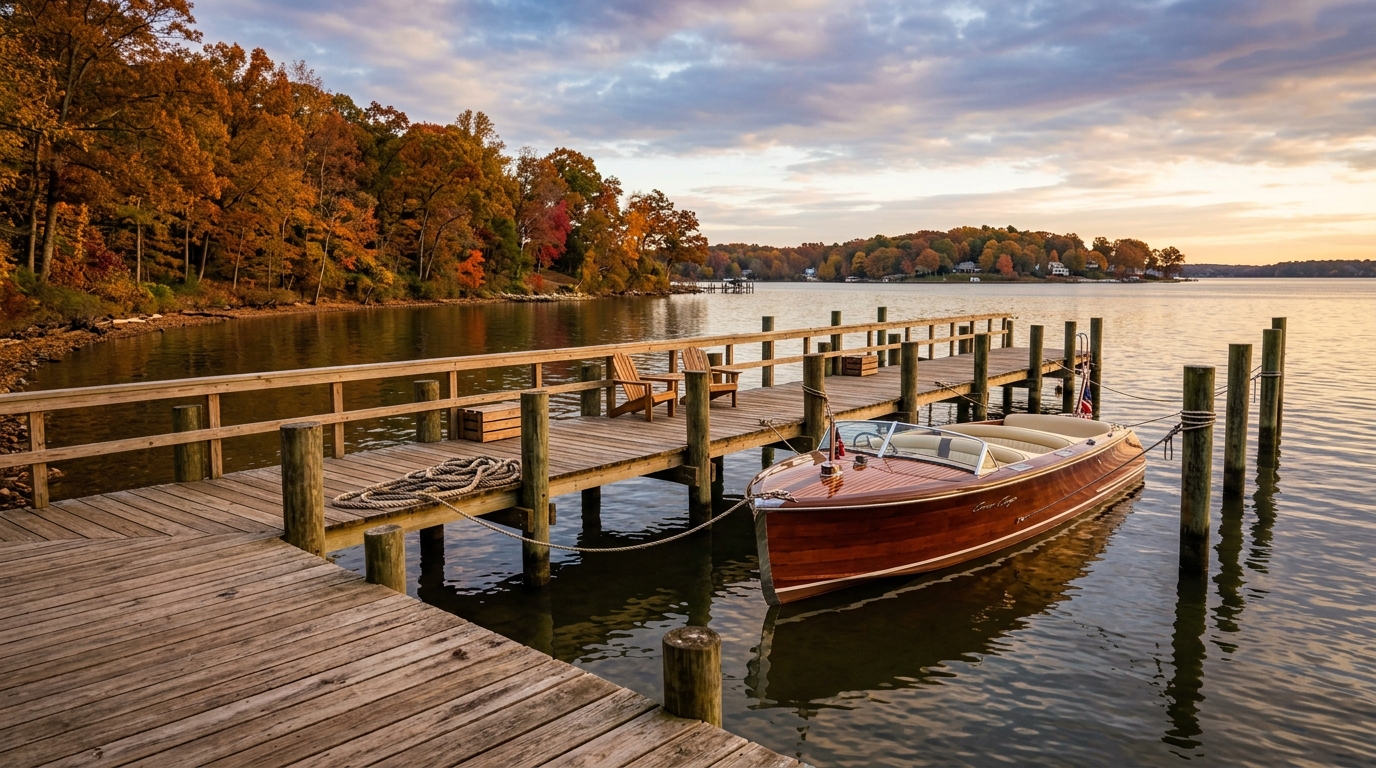
Living on the water in Anne Arundel County comes with some pretty wonderful perks. Whether your home sits along the Severn River, Magothy River, South River, Chesapeake Bay or one of the county’s many creeks and coves, having a private pier or dock can turn an ordinary afternoon into an opportunity to get on the boat, drop a fishing line, launch a kayak or simply sit by the water and watch the world go by.
That waterfront lifestyle also comes with some extra home maintenance that homeowners farther inland don’t have to think about. Maryland’s fall and winter weather can be surprisingly hard on piers, pilings, decking, boat lifts and waterfront equipment, particularly when cold temperatures, wind, changing water levels, storms and occasional ice arrive together. A little attention in the fall can keep a minor maintenance issue from becoming an expensive spring surprise.
Fall Is the Perfect Time to Give Your Pier a Thorough Inspection
Before freezing temperatures arrive, walk the entire pier slowly and look at it as though you were seeing it for the first time. Check decking for loose, cracked, warped or deteriorating boards, and pay particular attention to areas that feel soft or unusually flexible underfoot. Screws, bolts and other fasteners can loosen or corrode over time, while repeated exposure to moisture can gradually weaken wood that looked perfectly fine the previous season.
Railings, ladders, cleats and other attached components deserve the same attention. Give them a gentle but deliberate check rather than relying on appearance alone, because corrosion or deterioration isn't always obvious from the surface. Anything that moves when it shouldn’t, feels unstable or shows significant rust or deterioration should be evaluated before winter weather adds another season of stress.
The supporting structure underneath the pier is even more important, although it can be harder for a homeowner to assess. Look for pilings that appear cracked, leaning, loose or noticeably different from neighboring pilings, along with damaged bracing or connections. If something doesn't look right, particularly after a year with significant storms or high-water events, bringing in a qualified marine contractor can be money well spent.
Pay Attention to Pilings at the Waterline
Pilings spend their lives in one of the harshest environments around your home. They are constantly exposed to water, air, waves, marine organisms and changing temperatures, which means deterioration can occur differently depending on the material and location of the pier.
Take a close look at the portion of each piling you can safely see, especially around the waterline. Splitting, significant wear, unusual movement or deterioration should not be ignored simply because the pier still feels sturdy from above. A professional inspection can help determine whether you are seeing normal aging or the start of a structural issue that needs attention.
This is also one of those situations where photographs are useful. Take a few clear pictures of your pier and pilings each fall from approximately the same locations. Comparing those photographs from year to year makes it much easier to notice a piling beginning to lean, a section of decking changing or another condition developing gradually.
Clear Leaves and Debris Before They Become a Problem
Anne Arundel County in October and November can be beautiful, but those gorgeous leaves eventually have to land somewhere. When wet leaves remain on wood decking, they can hold moisture against the surface and create slippery conditions, while branches and other debris can collect around portions of a waterfront structure.
Sweep or blow leaves from the pier regularly in the fall, and remove debris you can reach safely. While you're there, trim back vegetation that has begun interfering with safe access to the pier, keeping in mind that shoreline vegetation and Maryland's Critical Area can be subject to special rules. Waterfront landscaping isn't necessarily treated the same way as a typical suburban backyard, so major vegetation removal or shoreline alterations should never begin with a chainsaw.
Keeping the walking surface clear also becomes a safety issue as temperatures begin to fall. Wet leaves, algae, frost and ice can turn a familiar pier into a surprisingly slippery surface, especially early in the morning or after a cold night.
Get Your Boat Lift Ready for Winter
If your property has a boat lift, don't forget about it once the boat has been winterized or removed. Cables, pulleys, motors, switches and electrical components all operate in an environment where water and corrosion are constant concerns, making periodic inspection particularly important.
Look for visibly frayed cables, corrosion, damaged hardware or components that no longer operate smoothly. Follow the lift manufacturer's winterization and maintenance recommendations for your particular system rather than assuming every lift should be prepared in the same way. If you're unsure about its condition, have the lift professionally serviced rather than discovering a problem when you're ready to launch the boat next spring.
Waterfront electrical systems also deserve respect. Shore-power connections, lighting, outlets and lift equipment are exposed to conditions that ordinary household electrical systems aren't, and damaged equipment near water presents obvious hazards. If you notice damaged wiring, cracked covers, loose fixtures or anything questionable, have a qualified professional evaluate it instead of attempting an improvised repair.
Think About Water Lines Before the First Hard Freeze
Many Anne Arundel County docks have freshwater lines for washing boats, cleaning fish, rinsing equipment or simply making life at the pier more convenient. Those lines can become a headache when water remains trapped inside them during freezing temperatures.
Shut off seasonal water supplies when appropriate, disconnect hoses and drain exposed plumbing according to the configuration of your system. Outdoor sinks, wash stations and similar equipment may also require winterization. The goal is simple: don't leave water sitting inside vulnerable pipes, hoses or fixtures where freezing and expansion can cause damage.
If your system has valves, pumps or other components that require a particular winterization procedure, follow the manufacturer's recommendations or have the system serviced professionally. A few minutes of prevention in late fall can be considerably easier than tracing a leak or replacing damaged plumbing in the spring.
Don't Underestimate Winter Storms and Ice
The Chesapeake Bay region doesn't experience a deep freeze every winter, but that doesn't mean waterfront structures get an easy season. Strong winds, tidal changes, coastal storms and periods of freezing weather can put substantial pressure on piers and pilings, and protected creeks and coves can experience conditions that are quite different from more open water.
Remove loose furniture, planters, umbrellas, portable ladders, recreational equipment and anything else that could become airborne or wash away during a storm. Kayaks, paddleboards and similar equipment should be properly secured or stored for the season rather than simply left sitting on the pier.
If ice develops around your pier, resist the urge to improvise with equipment or techniques that could damage the structure or create a safety hazard. Conditions vary tremendously depending upon water depth, current, pier construction and location, so a marine professional familiar with local waterways is the better resource when ice protection is a recurring concern.
Check the Shoreline Along With the Pier
Your dock doesn't exist independently from the property around it. Fall is also a good time to look at the shoreline, especially after significant rain, unusually high tides or storms. Watch for new erosion, exposed soil, movement around shoreline protection, damaged bulkheads or changes that seem substantially different from the previous season.
Maryland places considerable importance on protecting tidal wetlands and Chesapeake Bay shorelines, and shoreline projects can require state and local review. Living shorelines, bulkheads, revetments, stone sills and other erosion-control measures aren't projects homeowners should substantially alter without first determining what approvals apply.
If erosion is becoming noticeable, addressing it early is generally preferable to waiting until a larger portion of the shoreline has been lost. A waterfront professional can help identify the problem, while the appropriate state and county agencies can clarify what approvals may be required before work begins.
Know the Difference Between Maintenance and a Bigger Pier Project
This is an especially important point for Anne Arundel County homeowners because Maryland regulates work in tidal wetlands and waters. The Maryland Department of the Environment states that construction of piers and associated structures is regulated, and projects involving building, changing or repairing a pier can require review and authorization. Depending upon the work, local Anne Arundel County requirements and federal review through the U.S. Army Corps of Engineers may also apply.
A key distinction applies to certain routine work. Maryland's current guidance explains that routine maintenance, repair or in-kind replacement of a previously authorized qualifying structure may be exempt from a new tidal wetlands license when the existing structure remains functional and the work does not increase its original length, width, height or channelward encroachment. That does not mean every project someone might casually call a "repair" is automatically exempt, so homeowners should verify the requirements for their particular project before construction begins.
When authorization is required, Maryland uses a Joint Federal/State Application for tidal projects, and MDE specifically recommends contacting the appropriate local agency as part of the process. Maryland also requires the property owner or an appropriately licensed marine contractor to perform work in tidal wetlands, depending on the project and circumstances.
In other words, replacing a loose deck board and redesigning or expanding a pier are very different things. If your fall inspection uncovers damage that may require structural work, changes to the pier footprint, piling replacement, a new boat lift, shoreline work or another significant alteration, make the permitting question part of the conversation before the contractor starts.
Make Your Pier Part of Your Home Maintenance Routine
Waterfront homeowners already know life along the Chesapeake and its tributaries follows its own rhythm. Spring brings boats back to the water, summer brings long days on the pier, and fall is when property care becomes especially important.
Creating a simple annual routine makes the job much easier. Inspect the decking and railings, look over the pilings and structural connections, clear debris, winterize water lines, service boat-lift equipment, secure seasonal items and take a good look at the shoreline. Keep photographs and records of repairs as well, particularly if you're making improvements to a waterfront property where permits, licenses or previous approvals may matter later.
A well-maintained pier isn't simply another item on the fall chore list. For many Anne Arundel County waterfront homes, it's a meaningful part of the property and one of the reasons people love living here in the first place. Taking care of it before winter helps protect the structure, keeps the waterfront safer and puts you in a much better position when that first perfect boating day arrives next spring.
Thinking About Buying or Selling an Anne Arundel County Waterfront Home?
Waterfront real estate comes with details that aren't always obvious during an ordinary home tour, from piers and boat lifts to shoreline conditions, riparian considerations and improvements that may have their own permitting history. Understanding those details can make an enormous difference when you're evaluating a property or preparing one for the market.
Bonnie Fleishman knows Anne Arundel County and understands the questions that come with buying and selling homes along our rivers, creeks and Chesapeake Bay shoreline. When you're ready to make your next move, put Bonnie's local knowledge and real-world experience to work for you.