Can You Add an ADU or In-Law Suite in Anne Arundel County? What Buyers Should Know Before They Purchase

If you're shopping for a home in Anne Arundel County, there's a good chance you've thought about having extra living space. Maybe your parents will eventually move in. Perhaps you have an adult child who's saving for their own home, or you're looking for a way to create rental income down the road. Whatever the reason, more buyers are asking the same question before they make an offer:
Can I add an ADU or an in-law suite to this property?
The answer is often yes, but it depends on the property, local regulations, utility connections, lot size, and sometimes even the neighborhood itself. That's why it's one of the smartest questions you can ask before buying a home.
I've worked with many buyers throughout Anne Arundel County who were excited about a property until they discovered their plans weren't possible after closing. In some cases, we found another home that better fit their goals. In others, a little extra research before writing an offer saved them from making an expensive mistake.
If adding an accessory dwelling unit, commonly called an ADU, or creating an in-law suite is important to your family's future, it's worth doing your homework before you fall in love with a home.
What Is an ADU?
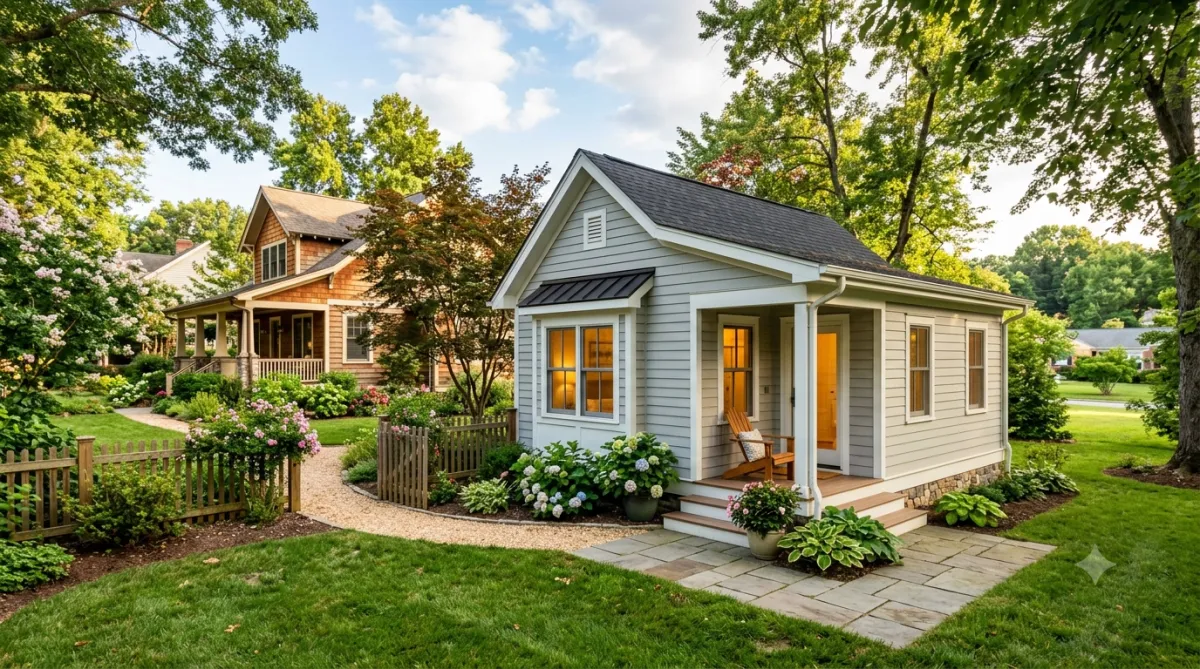
An Accessory Dwelling Unit is a secondary living space located on the same property as a primary residence. Depending on the property and local regulations, an ADU may be:
A detached cottage in the backyard
An apartment above a garage
A finished basement with its own entrance
An addition attached to the main house
A converted section of the existing home
Many people still use the term "in-law suite," although not every in-law suite qualifies as a legal ADU. Some homes simply have a private bedroom, bathroom, and sitting area for extended family. Others include a full kitchen, separate utilities, and independent access.
The distinction matters because local building requirements can be different depending on how the space will be used.
Why ADUs Have Become So Popular
A decade ago, most buyers weren't asking about accessory dwelling units. Today, they're one of the most requested features I hear about.
There are several reasons why.
Multigenerational Living
Families are staying together longer than ever before.
Parents are living independently into their 70s and 80s but still want to remain close to their children. Adult children may move home while saving for a down payment. College graduates often need temporary housing before purchasing their own homes.
An ADU creates privacy while allowing everyone to stay connected.
Aging in Place
Many homeowners are planning well ahead.
Instead of wondering where they'll live twenty years from now, they're buying homes that give them options. A detached guest house or first-floor in-law suite may allow them to remain on their property much longer.
Flexibility
Life changes.
A home office today could become an apartment for a family member five years from now.
The extra living space may eventually serve as guest accommodations, a caregiver's residence, or another use that fits your family's changing needs.
Future Property Value
While buyers shouldn't purchase a home based solely on future appreciation, homes with thoughtfully designed accessory living space often appeal to a wider range of buyers when it's time to sell.
That's particularly true in areas where multigenerational living has become more common.
Not Every Property Can Support an ADU
This surprises many buyers.
Just because a property has a large backyard doesn't automatically mean you can build another living space.
Several factors come into play, including:
Local zoning regulations
Minimum lot size
Setback requirements
Existing structures
Utility capacity
Septic system limitations
Environmental restrictions
Floodplain considerations
Critical Area regulations near the Chesapeake Bay and its tributaries
HOA or community restrictions
Each property has its own circumstances.
That's why I encourage buyers to think about their future plans before they purchase rather than trying to solve the puzzle afterward.
Why Location Matters Within Anne Arundel County
Anne Arundel County isn't one-size-fits-all.
Homes in Annapolis may have different considerations than properties in Davidsonville. Waterfront homes often involve additional environmental regulations. Rural properties with septic systems face different challenges than homes connected to public water and sewer.
Communities like Severna Park, Arnold, Crofton, Edgewater, Pasadena, Odenton, and Millersville all have unique characteristics that can influence future improvements.
Some neighborhoods also have homeowners associations with architectural review requirements or restrictions that go beyond county regulations.
That's why researching the specific property is just as important as understanding county rules.
The Questions Buyers Should Ask Before Making an Offer
When buyers tell me they hope to build an ADU someday, I encourage them to investigate several things before moving forward.
Is the Property Zoned Appropriately?
Zoning is one of the first places to start.
Different zoning districts allow different types of development. Even if accessory dwelling units are permitted in a zoning category, additional requirements may still apply.
Understanding what's allowed early can prevent disappointment later.
Does the Lot Have Enough Space?
A property may appear spacious while still falling short of setback requirements or other development standards.
Driveways, easements, drainage areas, and existing structures can all affect where additional buildings may be placed.
Every lot is unique.
Is the Home Served by Public Sewer or Septic?
This question often becomes one of the biggest deciding factors.
Homes connected to public sewer systems generally have fewer limitations than homes using private septic systems.
If a property relies on septic, the existing system may need evaluation to determine whether it can support additional bedrooms or expanded living space.
In some situations, upgrading the septic system could be necessary before any expansion is approved.
That's an expense buyers often don't anticipate.
Don't Assume the Basement Can Become an Apartment
Many buyers walk through a home with an unfinished basement and immediately picture a future apartment.
Sometimes that's possible.
Sometimes it isn't.
Creating a legal secondary dwelling often involves much more than adding drywall and flooring.
Requirements may include:
Separate entrances
Emergency egress windows
Fire separation
Ceiling height standards
Electrical upgrades
Plumbing modifications
Mechanical system improvements
Building permits and inspections
The earlier these conversations happen, the better.
I've seen buyers avoid costly surprises simply by asking the right questions before writing an offer instead of after closing.
Don't Forget About HOA Rules
One of the biggest surprises for buyers is discovering that county approval doesn't automatically mean a project can move forward. If the home is located in a community governed by a homeowners association, you'll also need to understand that organization's rules before making plans. Some associations have architectural review committees that must approve exterior changes, while others may limit detached structures, parking arrangements, or the appearance of additions. Even if county regulations allow an accessory dwelling unit, an HOA could impose additional restrictions that affect what can actually be built.
That's why I always encourage buyers to review HOA documents early in the process instead of treating them as paperwork to skim through after the contract is signed. If building an ADU or in-law suite is one of your long-term goals, those documents deserve just as much attention as the home inspection report.
Building Permits Are Part of the Process
Whether you're converting existing space or adding new square footage, most projects require permits and inspections to ensure the work complies with current building codes. That protects both your investment and future occupants.
Proper permitting also matters when it's time to sell. Buyers are becoming much more diligent about asking whether additions, finished basements, and accessory living spaces were completed legally. An unpermitted renovation can create delays during a sale, complicate financing, or require corrective work before closing. Taking shortcuts today can become someone else's problem tomorrow, and unfortunately that someone is often the homeowner.
If you're considering a property specifically because you hope to add an accessory dwelling unit later, it's worth speaking with qualified design professionals and reviewing the permitting process before making assumptions about cost or timing.
Think About Parking Before You Think About Construction
Parking isn't always the first thing buyers think about, but it can become one of the biggest practical challenges.
If another adult is going to live on the property, chances are there will be another vehicle as well. Some neighborhoods have narrow streets, limited driveway space, or community parking restrictions that can affect how comfortably everyone lives on the property. Even when regulations don't require additional parking, everyday convenience still matters.
I've had buyers fall in love with homes that technically offered enough room for an accessory living space, only to realize later that adding another vehicle would create daily headaches for everyone involved. Sometimes the layout of the property matters just as much as the square footage.
Will an ADU Increase Your Home's Value?
This is one of the most common questions I hear, and the answer isn't as simple as yes or no.
A thoughtfully designed, legally permitted accessory dwelling unit can certainly make a property more attractive to future buyers, especially as multigenerational living continues to grow in popularity. Families caring for aging parents, adult children returning home, or buyers looking for additional flexibility often see tremendous value in homes that already provide separate living quarters.
That said, an ADU shouldn't be viewed as a guaranteed return on investment. The quality of construction, neighborhood demand, lot characteristics, functionality, and local market conditions all influence how buyers perceive the additional space. An awkward addition or poorly designed conversion won't have the same appeal as a well-planned living area that feels integrated with the property.
When buyers tell me they're considering an ADU primarily for resale value, I encourage them to think first about how the space will improve their own quality of life. If it serves your family's needs while also increasing market appeal later, that's a much stronger position than chasing future value alone.
Financing an ADU Project
Many buyers focus entirely on the purchase price of the home and forget to budget for future improvements.
Adding an accessory dwelling unit can involve architectural plans, engineering, permits, utility work, site preparation, construction costs, and landscaping. Depending on the property and the type of project, those expenses can vary significantly.
If your goal is to build within the next few years, it's smart to begin those financial conversations early. Understanding your budget before buying a home helps narrow the search to properties that truly fit your long-term plans instead of stretching your finances too thin after closing.
Common Mistakes Buyers Make
One of the biggest mistakes buyers make is assuming that every property has the same development potential. Two homes with similar lot sizes can have completely different opportunities depending on zoning, easements, environmental features, or utility availability. What works on one street may not work just a few blocks away.
Another common mistake is relying on verbal conversations instead of confirming information through the appropriate county departments and qualified professionals. Real estate agents can help identify potential concerns and guide buyers toward the right resources, but construction approvals ultimately come from the agencies responsible for reviewing development plans.
Some buyers also underestimate how long these projects can take. Designing, permitting, and building an accessory dwelling unit isn't usually a weekend renovation. Planning ahead and setting realistic expectations makes the entire experience much less stressful.
Perhaps the biggest mistake of all is buying a home first and asking questions later. Once you've closed, your options are limited. Before you submit an offer, you still have choices.
Should You Buy a Home With Future ADU Potential?
If you're planning for aging parents, caring for family members, welcoming returning adult children, or simply want greater flexibility for the years ahead, purchasing a home with accessory dwelling potential can be an excellent long-term decision.
The key is choosing the right property from the beginning.
Every buyer's situation is different. Some families need private living space within the next year, while others are simply thinking ahead for retirement or changing family dynamics. Understanding your goals helps narrow the search and prevents you from investing in a home that may not support your future plans.
This is where working with a local real estate professional who understands Anne Arundel County becomes especially valuable. Looking beyond granite countertops and fresh paint to evaluate how a property can serve your family five, ten, or even twenty years from now often leads to better decisions.
Frequently Asked Questions
Many buyers ask whether every home in Anne Arundel County can have an accessory dwelling unit. The answer is no. Each property has its own zoning, utility, environmental, and site-specific considerations that determine what may be possible.
Another common question is whether a finished basement automatically qualifies as an in-law suite. While many basements can become wonderful living spaces, creating a legal secondary dwelling often requires additional improvements, permits, and code compliance that go beyond a traditional basement remodel.
Buyers also wonder whether homes on septic systems can support an ADU. In some cases they can, but the existing septic system may need evaluation or upgrades depending on the proposed use and bedroom count. This is something worth investigating before purchasing the property.
Many families ask whether an ADU is only useful for elderly parents. Not at all. Accessory living spaces are commonly used for adult children, caregivers, long-term guests, home offices, or simply to provide greater flexibility as family needs evolve over time.
Finally, buyers often ask when they should begin researching ADU possibilities. The best time is before making an offer. Understanding what a property can realistically accommodate gives you much more confidence during the buying process and helps prevent expensive surprises after closing.
Thinking Ahead Can Save You Thousands
Buying a home isn't just about where you'll live next year. It's about choosing a property that can continue serving your family as life changes.
If adding an accessory dwelling unit or creating an in-law suite is part of your long-term vision, don't wait until after closing to find out whether it's possible. Asking the right questions before you buy can save time, money, and disappointment while helping you choose a home that truly fits your future.
Bonnie Fleishman is a trusted real estate professional serving buyers and sellers throughout Anne Arundel County, Maryland. Whether you're looking for a home with multigenerational living potential, additional space for family, or room to grow in the years ahead, Bonnie helps buyers evaluate properties with both today's needs and tomorrow's possibilities in mind. Before you purchase, she'll help you look beyond the listing photos to understand how a home's location, lot, and features align with your long-term goals.