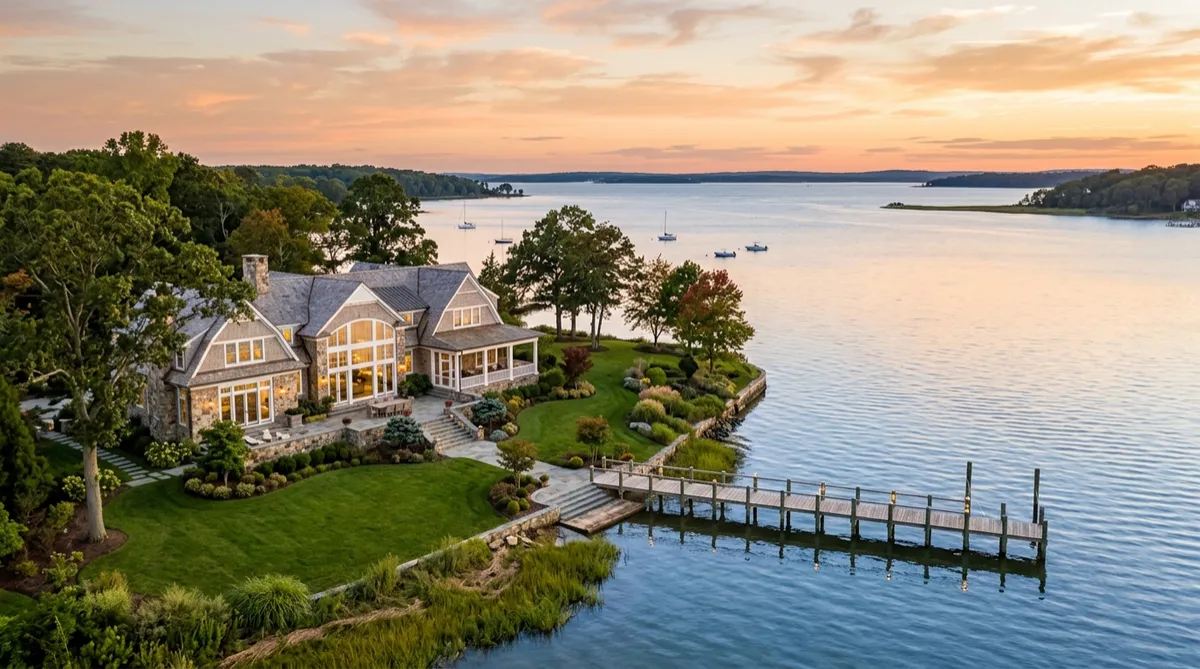
What Should I Know Before Buying a Waterfront Home in Anne Arundel County, Maryland?
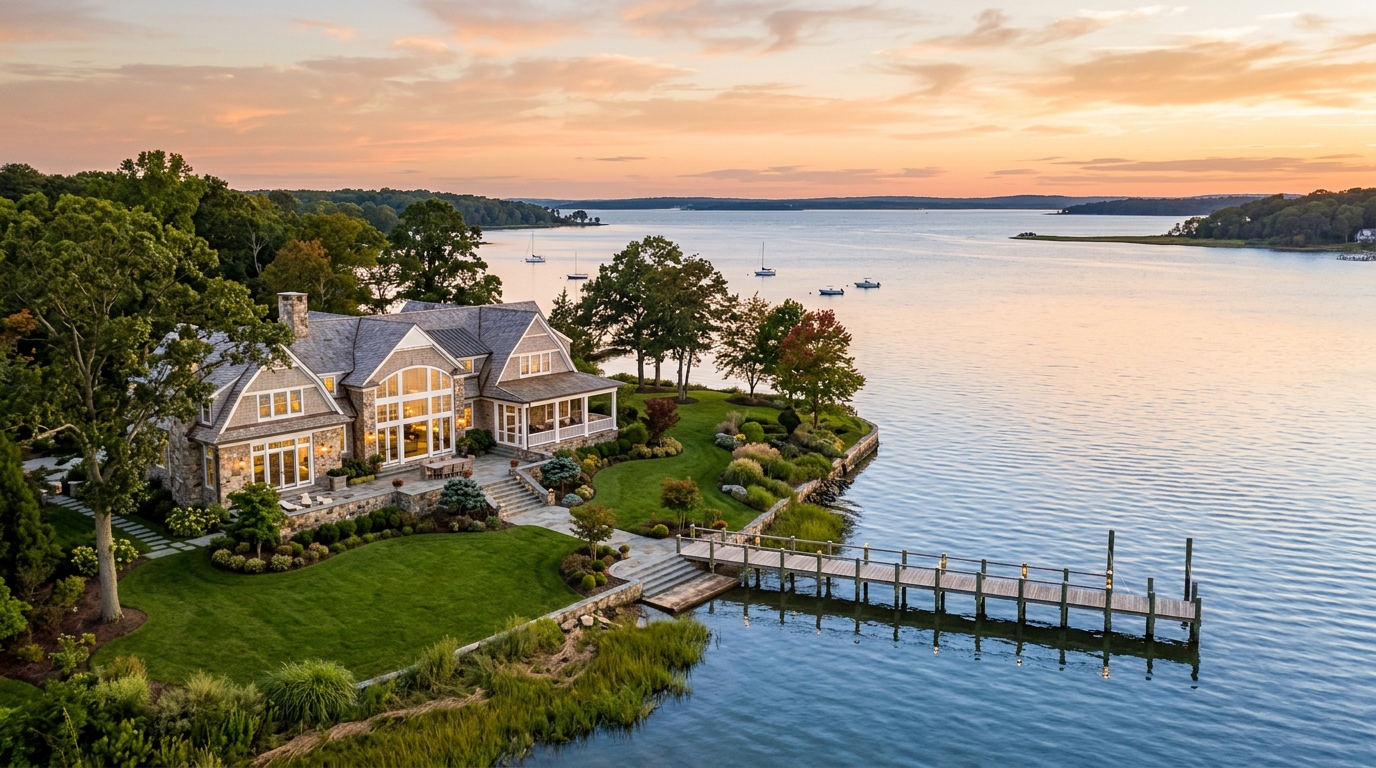
Buying a waterfront home in Anne Arundel County can offer a lifestyle that’s hard to duplicate. Morning views across the water, boating from your own property, kayaking after work, and having the Chesapeake Bay and its tributaries practically in your backyard are big reasons people fall in love with waterfront living here. The house, however, is only part of what you’re buying.
I’m Bonnie Fleishman, a Maryland real estate agent who helps buyers and sellers throughout Anne Arundel County, including those considering waterfront properties. When I work with waterfront buyers, I want them to look beyond the view. Water depth, shoreline condition, flood exposure, pier permits, boating access, maintenance, and the characteristics of the specific body of water can matter just as much as the number of bedrooms.
Anne Arundel County has more than 533 miles of shoreline, so there’s a tremendous variety of waterfront property. That variety is exactly why two homes that look similar online can provide completely different waterfront experiences.
Start With How You Want to Use the Water
Before looking at properties, decide what waterfront living means to you.
Someone who wants to sit outside and enjoy the view has different requirements from someone who owns a sailboat. A kayaker may love a quiet creek that wouldn’t work for a larger powerboat. A buyer who wants quick access to the Chesapeake Bay may prioritize location differently from someone who wants protected water.
Tell your agent what you actually want to do from the property. If boating is important, talk about your current boat or the type you expect to own. If swimming matters, say so. If you mainly want privacy and a peaceful view, that changes the search too.
The prettier house isn’t necessarily the better waterfront property.
Water Depth Can Change Everything
A pier in the backyard looks fantastic in listing photos, but buyers need to know whether it works for their intended use.
Water depth can vary by location and conditions. The important question isn’t simply whether the property has a pier. You need to know whether the waterfront and existing improvements fit what you want to do.
This is an area where buyers should investigate carefully rather than assume based on photographs or listing descriptions.
Look Closely at the Shoreline
The edge of a waterfront property deserves serious attention.
Anne Arundel County provides specific guidance for waterfront homeowners because shoreline management affects individual properties and the larger Chesapeake Bay environment. Depending on the property and proposed work, shoreline projects may require county approvals and Maryland Department of the Environment permits.
When viewing a home, watch for erosion, bulkheads, riprap, living shoreline features, and the overall condition of the waterfront.
Ask what work has been performed, when it was completed, whether permits were required, and whether documentation is available. Shoreline work can cost much more than replacing carpet or painting a bedroom.
A Pier Deserves Its Own Due Diligence
Don’t treat a pier like a patio.
Anne Arundel County requires permits for residential piers and maintains a specific residential pier permit process. If a property has a pier, buyers should understand its condition and available permit history rather than simply assuming everything they see can automatically be replaced, expanded, or modified.
The same thinking applies if you’re buying a property without a pier because you hope to build one later. You need to investigate your plans before you make a purchase based on that assumption.
A waterfront buyer should be asking, “Can this property support the lifestyle I want?” rather than simply, “Does this property touch the water?”
Understand Flood Risk Before You Buy
Waterfront buyers should also investigate flood history and flood-zone information.
Anne Arundel County recommends that prospective homeowners ask whether a property has flooded previously, whether it has received federal disaster assistance, and what flood-zone classification applies to the property.
That doesn’t mean every waterfront home has the same level of risk. It means flood exposure needs to be part of your due diligence.
Talk with your insurance professional early as well. You don’t want to fall in love with a house and wait until the end of the transaction to understand insurance costs or requirements.
Maintenance Is Different on the Water
Waterfront living can be wonderful, but ownership often comes with responsibilities that an inland homeowner may never encounter.
Beyond ordinary home maintenance, you may be thinking about a pier, shoreline stabilization, water access, exterior materials exposed to waterfront conditions, shoreline landscaping, and other property-specific features.
That’s why inspections matter. Depending on the property, you may want professionals with experience evaluating waterfront homes and their improvements.
A gorgeous sunset shouldn’t distract you from doing careful due diligence.
Location on the Water Matters
Anne Arundel County waterfront isn’t one single market.
Pasadena, Severna Park, Annapolis, Edgewater and other waterfront areas each offer different settings. Even within the same community, being on a creek, river, cove, or more open water can create a different experience.
Think about how long it takes to reach the places you want to go by boat and by car. Consider whether you prefer protected water or a wider view. Think about privacy, neighboring piers, road access, commuting, shopping, and everyday life when you aren’t on the boat.
You’re buying both a home and a location.
Common Waterfront Buying Mistakes
One of the biggest mistakes is falling in love with the view before researching the property. Another is assuming an existing pier can easily be altered to accommodate a different boat.
Buyers can also underestimate the importance of shoreline condition or postpone flood and insurance research until too late in the process.
Finally, don’t assume every waterfront home will hold the same appeal simply because it has water frontage. Usable waterfront, boating characteristics, improvements, location, privacy, views, and the home itself all contribute to value.
Frequently Asked Questions
Do I need to check flood risk when buying waterfront property in Anne Arundel County?
Yes. Flood history and flood-zone information should be part of your due diligence, and you should address insurance questions early.
Can I build a pier after buying a waterfront home?
Don’t assume you can. Anne Arundel County has permitting requirements for residential piers, so investigate your specific property and proposed plans first.
Is every Anne Arundel County waterfront property good for boating?
No. Water characteristics and access vary considerably, so discuss your intended use before choosing a property.
Should waterfront buyers use specialized inspections?
The appropriate inspections depend on the property, but buyers should consider the house as well as waterfront improvements and conditions that may require additional expertise.
Bonnie Fleishman is a Maryland real estate agent helping buyers navigate Anne Arundel County, including waterfront properties. If waterfront living is on your list, start with the lifestyle you want, then find the property that supports it.