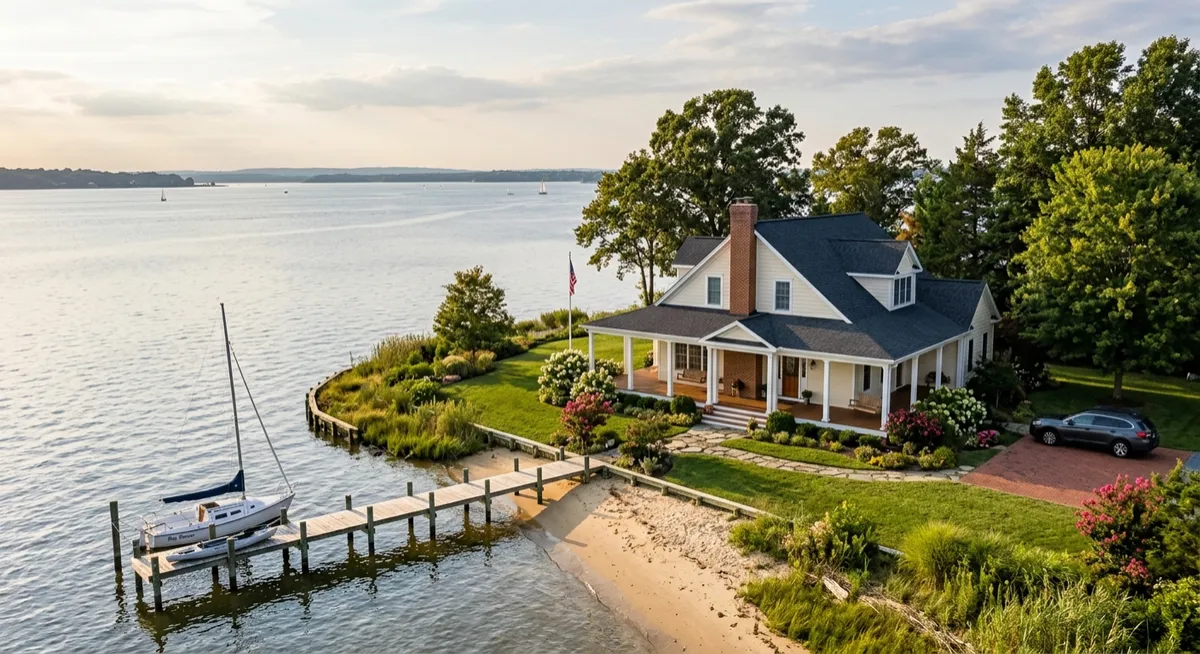
Buying Near the Chesapeake Bay? What Anne Arundel County Homebuyers Need to Know About Maryland’s Critical Area
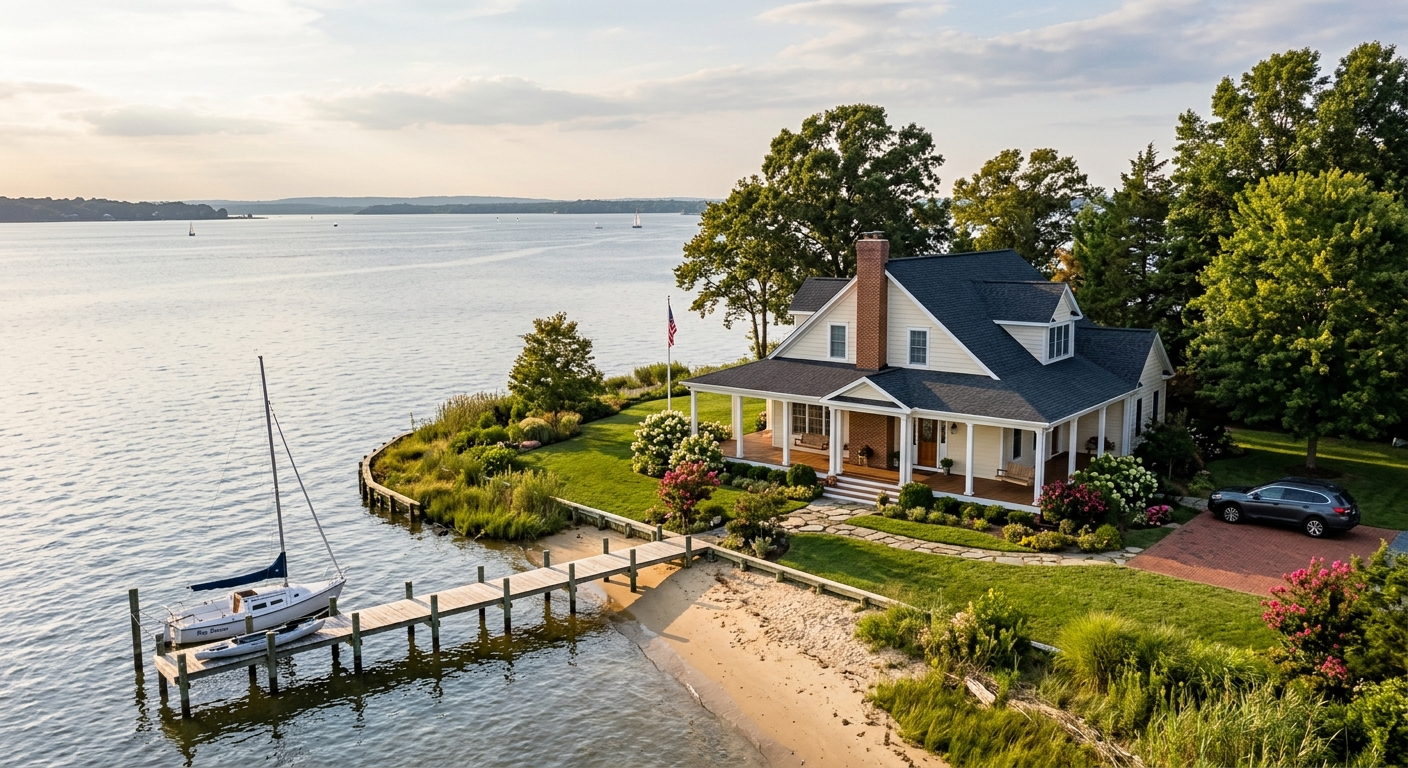
Living near the Chesapeake Bay is one of the things that makes Anne Arundel County such a special place to call home. From waterfront communities and quiet creeks to wooded properties tucked near the water, plenty of homes offer the Bay lifestyle every day, even when the property isn't directly on the waterfront.
There is something important buyers need to understand, though, and it often doesn't get nearly as much attention as the kitchen, roof, septic system or home inspection. A property near tidal water may fall within Maryland's Chesapeake Bay Critical Area, and that designation can affect what you can do with the property after you own it.
That doesn't mean you shouldn't buy there. It means you should understand exactly what you're buying before you start dreaming about that new deck, swimming pool, addition or beautifully opened-up water view.
What Is the Chesapeake Bay Critical Area?
In Anne Arundel County, the Chesapeake Bay Critical Area generally includes land within 1,000 feet of tidal waters or tidal wetlands, along with the Bay and its tributaries. The program was created to help protect water quality, wildlife habitat and other natural resources associated with the Chesapeake Bay.
Properties within the Critical Area are assigned different land-use classifications, and those classifications matter because the rules governing development aren't identical everywhere.
For a buyer, the takeaway is simple: being near the water can come with additional property-use considerations you wouldn't necessarily encounter with a home farther inland.
You Don't Have to Own Waterfront Property for This to Matter
This is probably one of the biggest misconceptions I see surrounding homes near the Chesapeake Bay. Buyers naturally associate Critical Area regulations with houses sitting directly on the shoreline, but the Critical Area extends much farther inland than the water's edge.
That means a house you wouldn't necessarily describe as "waterfront" could still be located within it.
If you're considering a property in Pasadena, Severna Park, Arnold, Annapolis or one of Anne Arundel County's many other communities surrounding tidal creeks, rivers and the Bay, determining whether the property is within the Critical Area should be part of your due diligence.
That Beautiful Wooded Lot May Come With Rules
Imagine finding a home with a gorgeous wooded backyard and thinking that once you move in, you'll remove a few trees to open the view.
That's exactly the kind of assumption you don't want to make.
Anne Arundel County specifically warns homeowners that vegetation within the Critical Area is regulated. Within the Critical Area buffer, vegetation removal—including trees, shrubs and vines—requires approval, and replacement planting may also be required.
Even removing a dead or damaged tree within the Critical Area can require an approved Vegetation Management Plan before the work begins.
The County updated its guidance in 2026 following legislation addressing vegetation-management methods, so relying on what a neighbor did years ago isn't a good strategy. Before buying a property with plans to substantially alter the landscaping or wooded portions of the lot, find out what rules apply to that specific parcel.
What About Adding a Deck, Pool or Addition?
This is where buyers really need to slow down and investigate before assuming that a large lot automatically means plenty of room to expand.
Development within the Critical Area can be subject to limits involving lot coverage, buffers, vegetation, grading and other environmental requirements. Anne Arundel County's definition of lot coverage can include more than the footprint of the house itself; depending on the circumstances, structures, driveways, walkways, parking areas, gravel, decking, pavers and other man-made surfaces may be part of the calculation.
So if you're walking through a home and already mentally placing the pool, detached garage, patio or addition, don't rely solely on the amount of open land you see.
A project may be possible, but possible and permitted are two very different questions.
The 100-Foot Buffer Is Particularly Important
Another important area buyers may encounter within the Critical Area is the Critical Area Buffer.
Anne Arundel County generally describes this as the area extending at least 100 feet landward from tidal waters, tidal wetlands or tributary streams, although the buffer can be expanded in certain situations involving sensitive areas such as steep slopes.
The buffer is intended to protect waterways and habitat, so activities within it may be more restricted.
This becomes especially important when a buyer is considering a waterfront property specifically because they envision changing the shoreline, removing vegetation, improving access to the water or undertaking substantial outdoor improvements.
The view you're buying today shouldn't automatically be treated as a view you'll be allowed to dramatically alter tomorrow.
Ask About Previous Improvements, Too
Your questions shouldn't stop with what you'd like to do in the future. It's also worth understanding what has already been done to the property.
If you see a newer patio, expanded driveway, retaining wall, deck, cleared waterfront area or other substantial improvement, ask questions. Depending on the project and property, permits, approvals or management plans may have been required.
This is one reason good buyer due diligence is about much more than discovering whether the dishwasher works or the roof leaks. You want to understand the property as a whole, particularly when environmental regulations may be involved.
Seven Questions Worth Asking Before You Buy
Rather than trying to become an expert in Maryland environmental regulations overnight, start with practical questions about the particular home you're considering.
Find out whether the property is located within the Chesapeake Bay Critical Area and, if so, what classification applies. Ask whether any portion of the property lies within the 100-foot or expanded buffer, whether recorded restrictions or easements affect the property, and whether previous improvements received the required approvals.
If you're already thinking about an addition, garage, pool, deck, expanded driveway or major landscaping project, investigate that idea before closing rather than assuming it will be allowed afterward. Buyers should also understand how existing lot coverage could affect future plans and whether significant vegetation removal would require County approval and replacement planting.
Those questions can turn a beautiful property from an emotional decision into an informed one.
Don't Let This Scare You Away From Living Near the Bay
Anne Arundel County's relationship with the Chesapeake Bay is one reason people love living here, and thousands of homeowners happily own property within the Critical Area.
The point isn't to scare buyers away from these homes. It's to prevent someone from buying a property based partly on what they believe they'll be able to do with it, only to discover later that their plans are restricted.
That's a very different conversation.
When I'm helping buyers evaluate a home in Anne Arundel County, I want them to look beyond the staging and the view to what will actually affect how they can use and enjoy the property. If you're considering a home near the Bay, a river or one of our many tidal creeks, let's make sure you know the right questions to ask before you make it yours.
Bonnie Fleishman | Anne Arundel County Real Estate